


The Gulf Cooperation Council (GCC) includes Saudi Arabia, the UAE, Kuwait, Bahrain, Oman, and Qatar. This region presents a lucrative market for toy manufacturers and importers. However, navigating its strict toy compliance regulations can be complex and costly if mishandled. From labeling oversights to certification gaps, even minor errors can result in fines, shipment delays, or bans.
In this guide, we reveal the 10 most common toy compliance mistakes made in the GCC and provide practical steps to avoid them. Use this as your roadmap to safer, faster, and more profitable market entry.
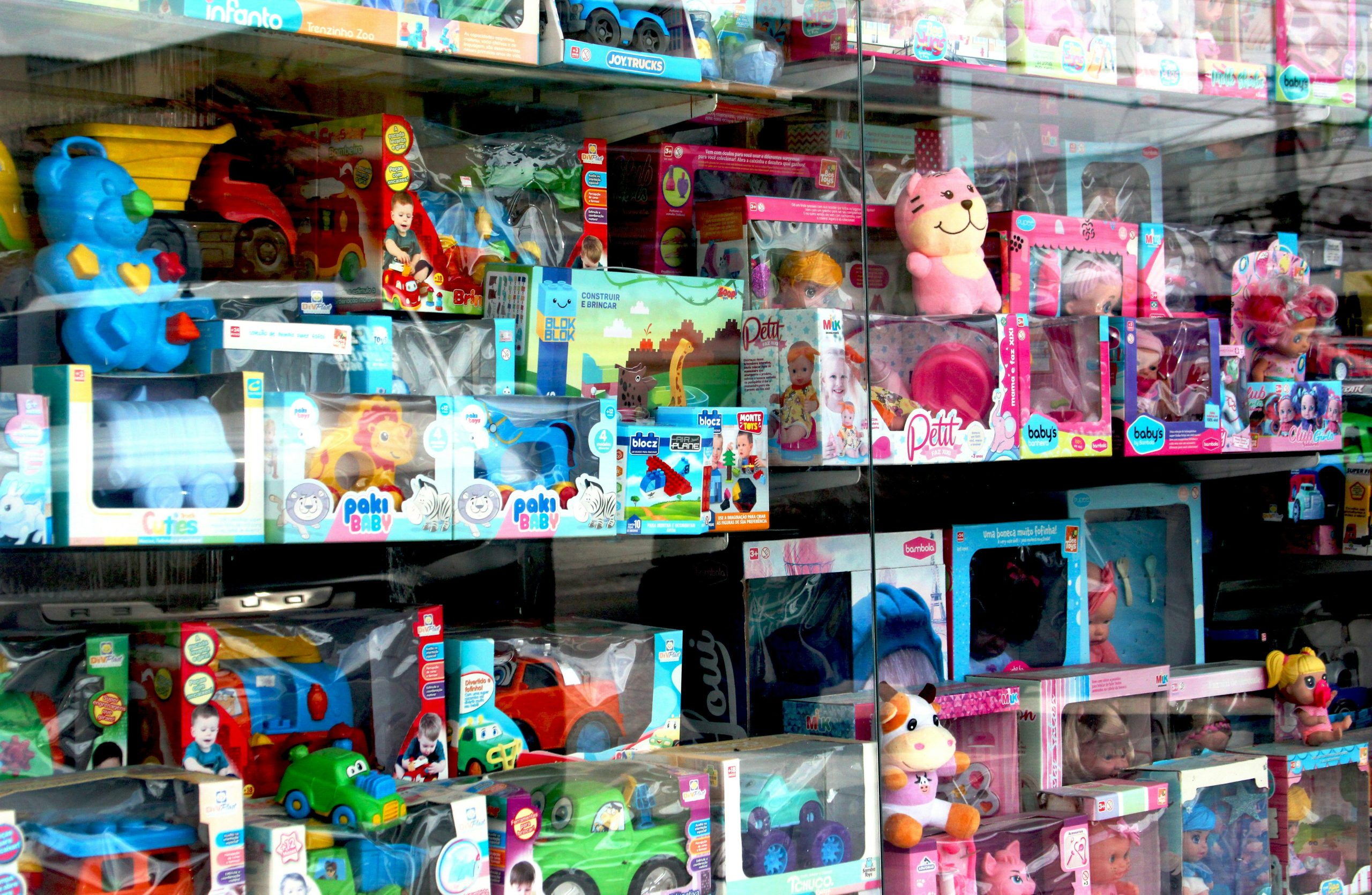
Understanding GCC Toy Regulations: What You Need to Know
Before diving into common pitfalls, it’s essential to understand the regulatory landscape. The Gulf Standardization Organization (GSO) enforces the Gulf Technical Regulation for Toys (BD-131704-01), which outlines mandatory safety and compliance standards for toys sold in the GCC.
Key Requirements:
- Physical and mechanical safety
- Flammability standards
- Chemical safety (e.g., limits on lead and phthalates)
- Arabic labeling and packaging standards
At the heart of this regulation is the G-Mark, a mandatory certification indicating a toy meets GCC conformity standards.
1. Skipping G-Mark Certification
Many importers mistakenly assume that CE or U.S. safety certifications are sufficient for GCC markets. They are not.
Why It’s a Problem:
- Toys lacking G-Mark certification can be blocked at customs.
- Repeat violations may lead to supplier blacklisting.
How to Fix It:
- Work with a GSO-recognized Notified Body.
- Complete the required conformity assessments.
- Ensure the G-Mark is clearly visible on both packaging and product (if applicable).
External Resource: GSO Notified Bodies List
2. Incomplete Technical Documentation
Your toy must have a comprehensive technical file that can be produced upon request by authorities.
What to Include:
- Product description and intended use
- Risk assessment and safety testing reports (EN 71 series)
- Manufacturer and importer details
- Copies of labels and user manuals
Best Practices:
- Use a digital document management system.
- Update files with each design or supply chain change.
3. Ignoring Arabic Labeling Requirements
Arabic labeling is not optional. Customs authorities frequently reject toys missing Arabic warnings and descriptions.
Required Label Elements:
- Arabic safety warnings and age guidelines
- G-Mark symbol
- Country of origin
- Manufacturer/importer contact information in Arabic
How to Comply:
- Employ certified Arabic translators for label content.
- Use bilingual labels (Arabic + English) for broader reach.
- Ensure labels are printed on both the toy and its packaging when possible.
4. Overlooking Chemical and Physical Safety Standards
Toys must be safe from both a chemical and mechanical standpoint. The GCC adopts the EN 71 standard series to define these criteria.
Common Non-Compliance Issues:
- Presence of banned chemicals like lead or phthalates
- Unsafe mechanical parts (sharp edges, small parts)
- Flammable materials
Prevention Tips:
- Use ISO/IEC 17025-accredited labs for product testing.
- Audit supplier materials regularly.
- Keep current test reports on file.
5. Mislabeling Age Appropriateness
Incorrect or missing age grading can pose serious safety and legal risks.
Risks:
- Increased liability in injury cases
- Product recalls or bans
Compliance Checklist:
- Follow EN 71-1 for age classification.
- Perform small parts and hazard assessments.
- Clearly indicate the recommended age range on packaging.
6. Assuming GCC Countries Share a Unified Enforcement Body
While the GSO sets common standards, each country has its own enforcement protocols.
Examples:
- The UAE uses the Ministry of Industry and Advanced Technology (MoIAT).
- Saudi Arabia relies on the Saudi Food and Drug Authority (SFDA).
Strategy:
- Research the local enforcement agency for each target market.
- Customize documentation and labeling as needed.
- Consult with regional compliance experts.
7. Sourcing from Unverified Suppliers
Using manufacturers unfamiliar with GCC standards can jeopardize your entire shipment.
Common Pitfalls:
- Falsified test certificates
- Use of restricted materials
- Incomplete labeling
How to Vet Suppliers:
- Request up-to-date compliance reports.
- Perform factory audits or hire a third-party auditor.
- Include compliance clauses in your purchase contracts.
8. Ignoring Post-Market Surveillance (PMS) Requirements
Your compliance duties don’t end at customs. Importers are legally obligated to monitor toy safety after market entry.
Responsibilities:
- Logging and addressing consumer complaints
- Reporting safety incidents to authorities
- Managing product recalls
Action Steps:
- Implement a PMS plan.
- Assign a compliance manager.
- Create a consumer feedback and tracking system.
9. Not Keeping Up with Regulatory Changes
Regulations evolve. What was compliant last year may not pass today.
Recent Updates May Include:
- New chemical thresholds
- Revised testing procedures
- Updated labeling guidelines
How to Stay Informed:
- Subscribe to updates from GSO and local bodies.
- Attend trade webinars and compliance workshops.
- Review your product line annually.
10. Relying on Outdated or Inadequate Testing
Old or irrelevant test reports can derail your compliance strategy.
Don’t Make These Mistakes:
- Submitting CE test results instead of G-Mark-compliant ones
- Using reports older than two years
- Relying on non-accredited labs
Fixes:
- Retest high-volume or redesigned products annually.
- Ensure labs are accredited and GCC-experienced.
- Match test scope with the toy’s specific risk profile.
Final Thoughts: Make Compliance Your Competitive Advantage
The GCC toy market is full of potential—but only for those who take compliance seriously. By avoiding these 10 common mistakes, you can ensure smooth customs clearance, build trust with consumers, and reduce your legal risks.
Don’t view compliance as a barrier. Treat it as a strategic asset for long-term growth.
Ready to Simplify Your GCC Toy Compliance Process?
To ensure your products meet regional standards, or schedule a consultation with our compliance experts to get tailored guidance for your market strategy.


